


Oral Care Tips for Seniors and Their Caregivers
Seniors are living longer than ever, and many are keeping their natural teeth. While regular appointments with a dental hygienist are essential for maintaining oral health, so is daily mouth care.
Getting Started: Know the 3 Cs
Common Oral Health Concerns Among Seniors
Condition | Causes | Consequences |
|---|---|---|
 Gum disease | Dental plaque build-up on the teeth | Swollen, red, painful or bleeding gums |
 Periodontitis | Untreated gum disease | Bad breath, receding gums, tooth sensitivity, tooth loss |
 Tooth loss | Cavities, periodontitis | Difficulty speaking and eating, low self-esteem, social isolation |
 Exposed roots | Tobacco use, tooth clenching or grinding, aggressive or inadequate toothbrushing | Cavities, tooth sensitivity |
 Dry mouth (decreased saliva production) | Aging, medications, cancer therapy, diabetes, alcohol and tobacco use, dehydration | Cavities |
But poor oral health doesn’t just affect the teeth and gums. In some cases, it can have life-threatening consequences.
Download:
CDHA
Oral Care Tips for Seniors and Their Caregivers (PDF)
Public Health Agency of Canada
Oral health tips for caregivers supporting older adults living with dementia at home (Link)
Links Between Oral and Overall Health

- Mouth pain or loss of teeth can make it harder to eat properly, leading to malnutrition.
- Bacteria found in the mouth, when inhaled into the lungs or airways, can cause aspiration pneumonia.
- Periodontitis can cause blood sugar to rise, making it harder to control diabetes.
- Periodontitis increases the risk for heart disease, stroke, and diabetes.
Daily Mouth Care Tips for Seniors

- Brush twice a day for 2 minutes with a soft toothbrush and fluoride toothpaste. Don’t forget to reach the back and the inside surfaces of the teeth, and along the gumline.
- If you have trouble holding the toothbrush, attach a sponge or bicycle grip to the toothbrush handle.
- Use a power toothbrush, if possible. It is better at removing plaque than a manual toothbrush and can be easier to use.
- Clean between teeth daily with dental floss, floss aids or interdental brushes.
- Clean your tongue daily using a toothbrush, a tongue scraper or the side of a teaspoon.
- Rinse your mouth daily with an antibacterial solution. Use an alcohol-free rinse if you have dry mouth.
- Even if you have bleeding gums, keep brushing, cleaning between your teeth, and rinsing daily.
Daily Mouth Care Tips for Caregivers and Staff
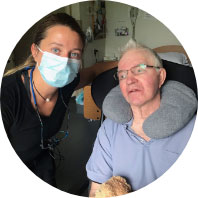
Seniors with cognitive and/or physical challenges may need assistance with daily mouth care.
- Introduce yourself and inform the senior that you are there to brush their teeth.
- Use a minimal amount of fluoride toothpaste to reduce foaming.
- Use hand-over-hand technique to assist the senior with toothbrushing.
- Offer something to hold (a stuffed animal, rolled wash cloth or soft ball) to keep the senior’s hands occupied and attention focused elsewhere during toothbrushing.
- Stand behind the senior to reduce the risk of being kicked and/or spit upon.
- Place the handle of a second toothbrush between the teeth to prevent the senior from accidentally biting your fingers. That toothbrush can also be used to retract the cheek for easier access to back teeth.
- For seniors with difficulty swallowing or spitting, use a clean cloth or gauze to mop up debris and saliva as you brush or use a clean washcloth to wipe the teeth and mouth.
For added comfort
Provide mouth care while the senior is in their wheelchair, recliner or in bed. Play familiar music to help the senior relax.
Palliative care
Seniors should still receive daily mouth care to reduce inflammation and infection and maintain their quality of life.
Denture Care Tips
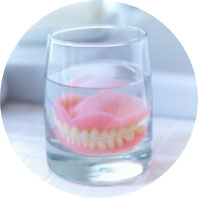
- Remove and brush dentures after each meal and before going to bed.
- Do not wear dentures while sleeping. Place them in a water bath for the night.
A consistent daily mouth care routine is important for oral and overall health.