


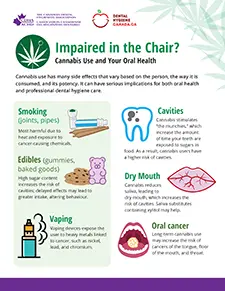
Impaired in the Chair? Cannabis Use and Your Oral Health
Cannabis use has many side effects that vary based on the person, the way it is consumed, and its potency. It can have serious implications for both oral health and professional dental hygiene care.
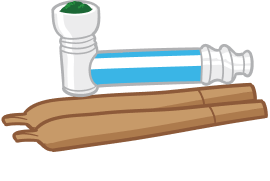
Smoking (joints, pipes)
Most harmful due to heat and exposure to cancer-causing chemicals.
Edibles (gummies, baked goods)
High sugar content increases the risk of cavities; delayed effects may lead to greater intake, altering behaviour.
Vaping
Vaping devices expose the user to heavy metals linked to cancer, such as nickel, lead, and chromium.
Oral Health Impacts:
Cavities Cannabis stimulates “the munchies,” which increase the amount of time your teeth are exposed to sugars in food. As a result, cannabis users have a higher risk of cavities.
Dry mouth Cannabis reduces saliva, leading to dry mouth, which increases the risk of cavities. Saliva substitutes containing xylitol may help.
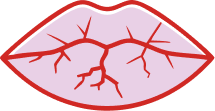

Oral cancer Long-term cannabis use may increase the risk of cancers of the tongue, floor of the mouth, and throat.
Gum disease Cannabis users have a higher risk of gum disease, which can lead to bone loss and ultimately tooth loss.

Cardiovascular risk Cannabis use has been linked to increased risk for stroke and heart attack.
If you arrive high for your dental hygiene appointment, it may need to be rescheduled for the following reasons.

Interaction with medications Cannabis may alter the effectiveness of prescribed medications, including local anesthetic used during dental appointments.
Increased bleeding Cannabis may increase bleeding and complicate dental hygiene care. Healing may also be affected.


Fast heart rate and anxiety Cannabis increases the heart rate and heightens anxiety. These side effects may worsen or last longer with anesthetics used for dental hygiene treatment.
Confusion and lack of focus Cannabis use before a dental hygiene appointment may impair judgement and the capacity to provide consent to treatment.

REDUCE YOUR RISKS!
Consuming cannabis by any method can affect your oral health and the professional dental hygiene care that you need. Ask your dental hygienist about what you can do to reduce your risks at your next appointment.
Download:
 Impaired in the Chair? (PDF)