


HPV Is Common but Oral Cancer Doesn’t Have to Be
60%–73% of throat cancers are linked to oral HPV infection
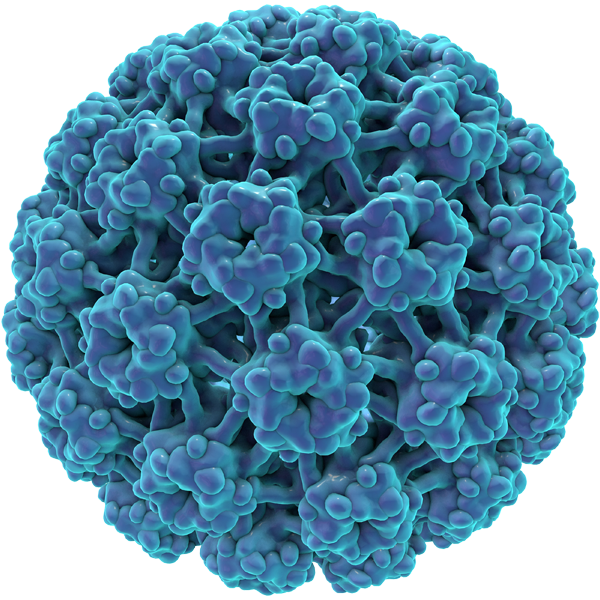
Human papillomavirus (HPV) is a group of viruses that can infect anyone. Although it is best known for its link to cervical cancer, certain high-risk types of HPV can also cause cancers in the throat, particularly in the tonsils and the back of the tongue. These are known as oropharyngeal cancers.
In Canada, 60% to 73% of throat cancers are linked to oral HPV infection. They are now the most common type of HPV-related cancer in the country, particularly among men.
How common is HPV?
HPV infections are the most common sexually transmitted infection in Canada. Without vaccination, approximately 75% of Canadians will get an HPV infection during their lifetime. Most HPV infections go away on their own within a few years.
How can HPV affect the throat or mouth?
HPV is spread through close skin-to-skin contact, including oral sex. While many infections show no initial symptoms, HPV can sometimes lead to changes in the mouth and throat. These changes may present in several ways:
Download:
Lumps or swelling, especially in the throat, neck or tonsil area
White or red patches that do not heal or look unusual
Sores or ulcers that do not go away after two weeks
Warts (small, cauliflower-like growths) that may appear on the tongue, on the lips or inside the cheeks
Difficulty swallowing or speaking in more advanced cases
Why worry about HPV?
There is currently no routine screening test for HPV-related cancer. These cancers can develop slowly and may not cause symptoms right away, making them harder to detect in their early stages.
Dental hygienists are trained to detect early signs of oral diseases and conditions. During your appointment, your dental hygienist will check the tissues in and around your mouth and identify changes that should be looked at more closely. They will refer you to another health professional if needed. Treatment is often more effective when cancer is detected early.
How to reduce your risk
There are several ways you can protect yourself from HPV and its oral health effects.

Get vaccinated
The HPV vaccine is safe and effective. It protects against the types of HPV that cause most cancers. In Canada, HPV vaccination programs are offered in schools. While the vaccine is most effective when received before HPV exposure, it is recommended for people of all ages and genders.

Practise safer sex
HPV is spread through intimate contact. Using barriers such as condoms or dental dams (thin barriers that help reduce direct mouth-to-skin contact during oral sex) can reduce the risk.

Avoid tobacco and limit alcohol
Smoking and heavy alcohol use can increase the risk of oral cancer. When combined with HPV infection, the risk can be even higher.

Attend regular dental hygiene appointments
Routine dental hygiene appointments allow for early detection of changes in the mouth. This is important because oral HPV symptoms may not be visible at first.

Be aware of changes in your mouth
If you notice a sore, lump or patch in your mouth that lasts more than two weeks, see an oral health or medical professional.
Final thoughts
HPV is common, and most people with an HPV infection do not develop cancer. By learning about HPV and its link to throat cancer, and by taking simple preventive steps, you can help protect your oral and overall health.
Get vaccinated, practise safer sex, and visit your dental hygienist regularly. These small actions can have a lasting impact.
Know the facts. Spot the signs and symptoms. Take action.