Due to healthier lifestyles, as well as advances in professional care, we can expect to keep
most, if not all of our natural teeth as we enter our senior years. But keeping those teeth healthy can
be a challenge.
What items pose a risk?
A number of medications can cause dry
mouth, a condition that can contribute to cavities and other oral problems. Seniors
also develop more cavities on the roots of their teeth than younger adults. Perhaps most worrisome,
bacteria from the mouth can travel and develop into serious infections affecting overall health.
In addition, many people do not realize the importance of maintaining the health of their mouth after
they lose all or even some of their natural teeth. Food debris and bacteria continue to accumulate
throughout the mouth, including on the
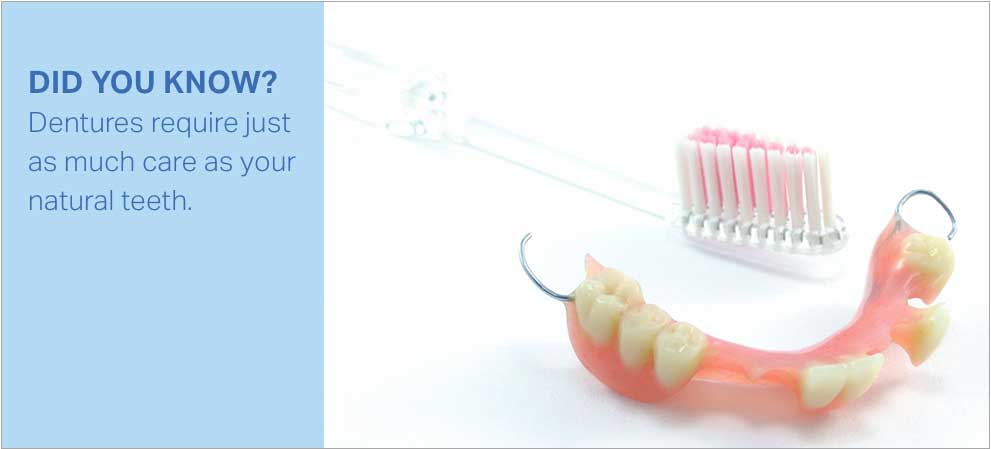
tongue, remaining teeth, and dentures,
forming plaque, which has the potential to cause cavities, odours,
sores, and irritation.
What can each of us do?
Good oral hygiene coupled with regular care by a dental hygienist can help to prevent more serious health
problems. Together, you can plan a daily oral care routine that will keep your teeth, and you, healthy
for life. Use our fact sheets to help keep oral health care a priority as you age!
Thanks to healthier lifestyles, as well as advances in oral and medical care, we can expect to
keep
most, if not all, of our natural teeth as we age. But keeping those teeth healthy can be a
challenge. Many medications can cause dry mouth,
a condition that can contribute to cavities and other oral problems. Seniors also develop more
cavities on the roots of their teeth than younger adults. And, perhaps most worrisome, bacteria
from
the mouth can travel through the body,
resulting in serious infections affecting overall health.
Seniors are living longer than ever before. Advances in oral health care prevention and disease
treatment mean that many
seniors will have some or all of their natural teeth.